 DecodedCars
Honda CR-V vs Toyota C-HR
2026 Honda CR-V vs 2026 Toyota C-HR — two rivals compared on efficiency, size, safety and reliability.
The short version
That works out to about $1,050 a year less in fuel for the Toyota C-HR (EPA estimate, 15,000 miles).
The Honda CR-V is the bigger car, about 7 inches longer.
Across all model years since 2005, the Toyota C-HR has had fewer recall campaigns (6 vs 60).
The two cars
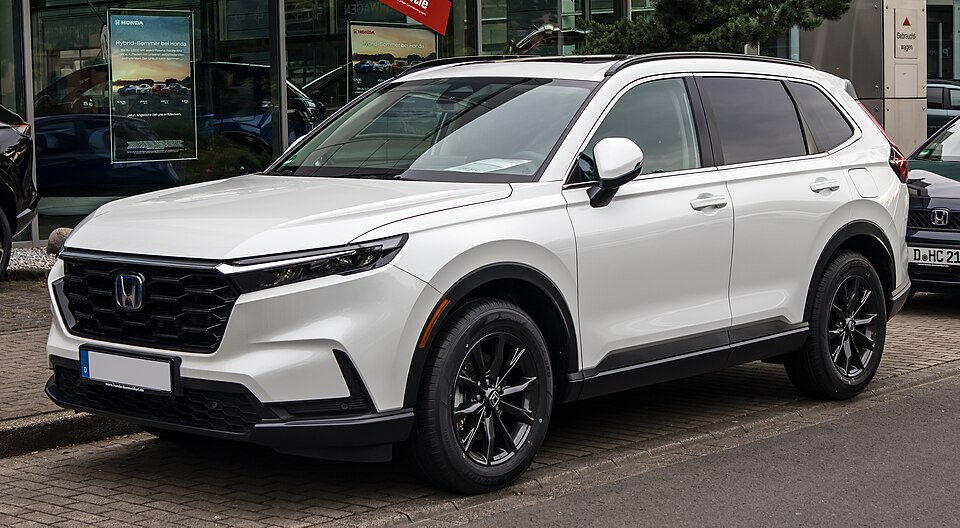
The 2026 Honda CR-V is a midsize station wagon offered with 2 engines (2.0L 4-cyl and 1.5L 4-cyl turbo), including a hybrid version and front-wheel drive and all-wheel drive. It measures about 185 inches long and 74 inches wide on a 106-inch wheelbase, with a curb weight of roughly 3,635 lb (4dr SUV AWD).
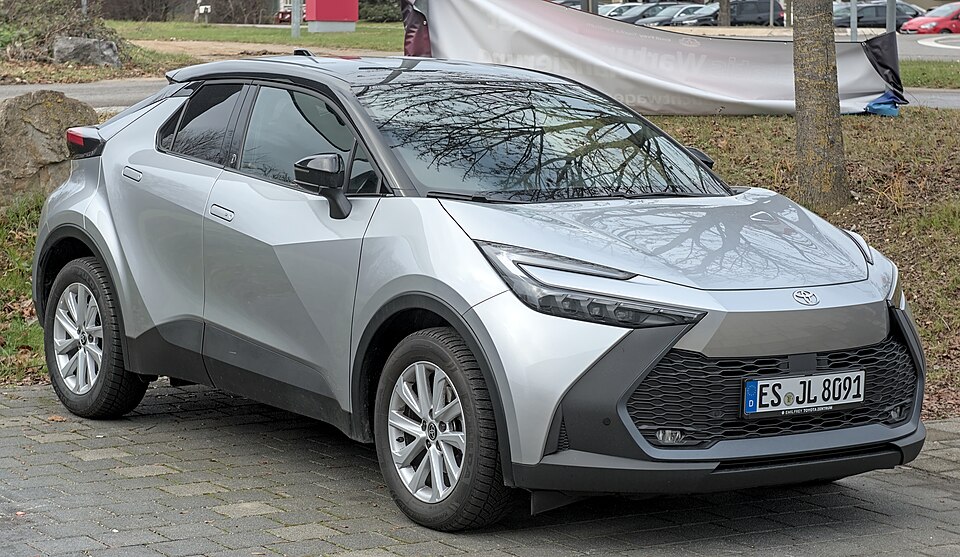
The 2026 Toyota C-HR is a small SUV powered by electricity and all-wheel drive. It measures about 178 inches long and 74 inches wide on a 108-inch wheelbase, with a curb weight of roughly 4,409 lb (4dr SUV AWD).
Buying used? The 2022 CR-V and the 2022 C-HR have the fewest problems in our data; avoid the 2018 CR-V and the 2018 C-HR.
Basics
Efficiency
Performance & space
Safety & reliability
Interest
Green = clearly better. Prices are not included. How we calculate this →
Which one should you choose?
Choose the Honda CR-V if…
- You want more room (7 in longer)
Choose the Toyota C-HR if…
- You want an EV with more range (287 miles)
- You want something easier to park (7 in shorter)
- You put reliability history first (6 vs 60 recalls since 2005)
Pros & cons of each
2026 Honda CR-V
- Excellent fuel economyUp to 40 MPG combined — 56% better than the average 2026 midsize station wagon (25.7 MPG).
- Hybrid version availableOffered as a hybrid as well as gas.
- AWD / 4WD available
- Lots of standard safety tech5 of 5 key driver aids standard on the versions we checked.
2026 Toyota C-HR
Full 2026 Honda CR-V specs →Full 2026 Toyota C-HR specs →Compare fuel costs for your driving →Compare size & garage fit →