 DecodedCars
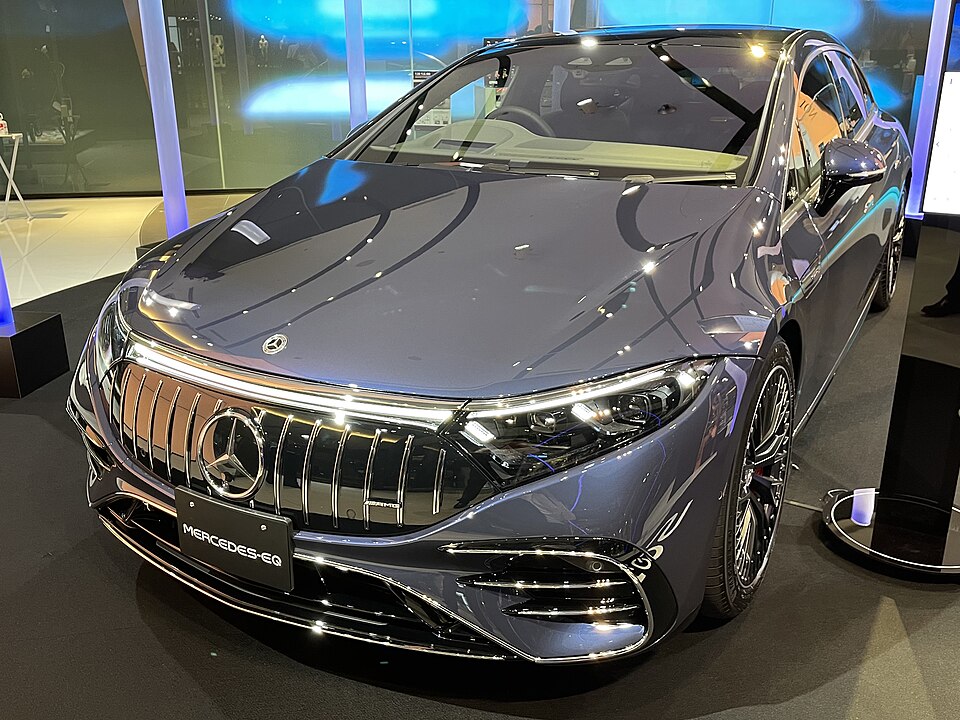
Mercedes-Benz EQS
6 model years from 2022 to 2027, compared on size, efficiency, safety and reliability.
- Model years
- 2022–2027
- Class
- Large Cars
- Latest engines
- Electric
- EV range
- up to 443 mi
- Latest rating
- Not rated
- Recalls
- 18 campaigns, all years
- Most complaints
- 2023 (60)
- Interest
- 4,653 Wikipedia views / 30 days
The 2026 EQS in brief
The 2026 Mercedes-Benz EQS is a large car powered by electricity and rear-wheel drive and all-wheel drive.
It measures about 207 inches long and 76 inches wide on a 126-inch wheelbase, with a curb weight of roughly 5,856 lb (Class 450 4dr Sedan).
The electric version has an EPA-rated range of up to 390 miles and takes about 11.5 hours to charge on a 240-volt Level 2 charger.
There are no recalls or owner complaints on file with NHTSA for this model year.
The Mercedes-Benz EQS has 6 model years in our data, from 2022 to 2027.
Owners most often report problems with the forward collision avoidance › automatic emergency braking (48), service brakes (34), electrical system (30).
Buying used? 2024 has the fewest problems in our data, and 2022 is the year to avoid.
2022 has the most recalls (14); all years together count 18 campaigns and 116 owner complaints.
How the 2022 EQS compares
The 2022 Mercedes-Benz EQS is a large car powered by electricity and rear-wheel drive and all-wheel drive.
It measures about 207 inches long and 76 inches wide on a 126-inch wheelbase, with a curb weight of roughly 5,699 lb.
About the Mercedes-Benz EQS
The Mercedes-Benz EQS (V297) is a battery electric full-size luxury liftback produced by German automobile manufacturer Mercedes-Benz Group. Part of the Mercedes-EQ family, it was released in September 2021 in Germany and the fourth quarter of 2021 in the United States.
From the Wikipedia article "Mercedes-Benz EQS", licensed under CC BY-SA 4.0.
2026 EQS pros & cons
Full 2026 details →What's good
- Long EV rangeUp to 390 miles on a charge (EPA).
- AWD / 4WD available
Watch out for
No weak spots against similar models in the data.
Best and worst years to buy used
2024 EQS
12 owner complaints · 3 recalls · 1 fire report
Year to avoid2022 EQS
43 owner complaints · 14 recalls · 1 fire report · 6 crash reports
Most reported: Forward Collision Avoidance › Automatic Emergency Braking
NHTSA recalls and complaints for 3 model years since 2015; use it alongside a pre-purchase inspection. How we calculate this →
Compare head to head
EQS changes by model year
- 2027
- Longest EV range up from 390 to 443 miles
- 2025
- New body dimensions: 5.1 in longer — most likely a redesign or new generation
- Longest EV range up from 352 to 390 miles
- 2024
- New body dimensions: 5.1 in shorter — most likely a redesign or new generation
- Longest EV range up from 340 to 352 miles
- 2023
- Longest EV range down from 350 to 340 miles
Years without a measurable change are left out.
Show all 6 model years side by side
| Year | Latest engines | Best MPG / range | Length | Weight | Overall | Recalls | Complaints |
|---|---|---|---|---|---|---|---|
| 2027 | Electric | 443 mi | – | – | Not rated | 0 | 0 |
| 2026 | Electric | 390 mi | 207.1 in | 5,856 lb | Not rated | 0 | 0 |
| 2025 | Electric | 390 mi | 207.1 in | 5,856 lb | Not rated | 2 | 1 |
| 2024 | Electric | 352 mi | 202 in | 6,206 lb | Not rated | 3 | 12 |
| 2023 | Electric | 340 mi | 207.1 in | 5,699 lb | Not rated | 8 | 60 |
| 2022 | Electric | 350 mi | 207.1 in | 5,699 lb | Not rated | 14 | 43 |
Alternatives to the 2026 EQS
| Model | Best MPG / range | NHTSA overall | Recalls |
|---|---|---|---|
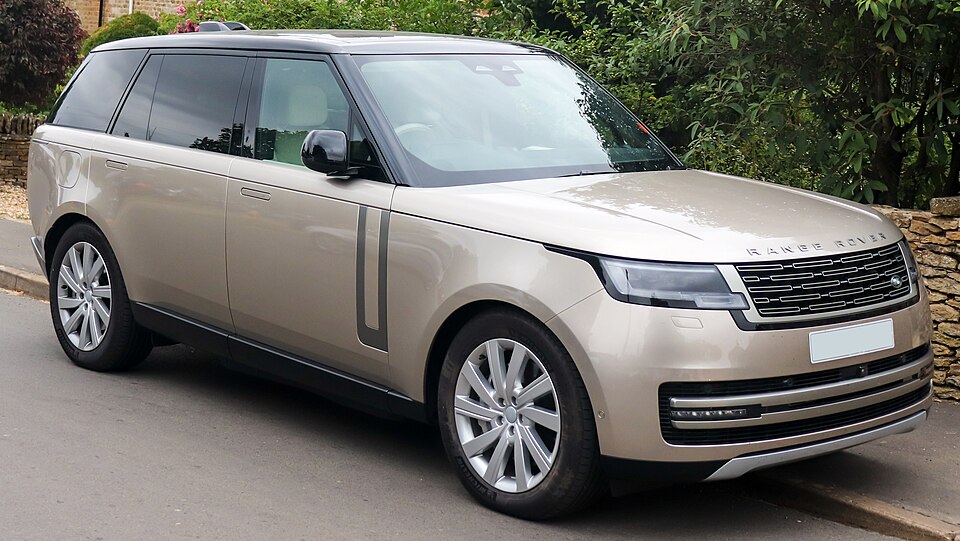
| 2026 Land Rover Range Rover | 23 MPG | Not rated | 5 |
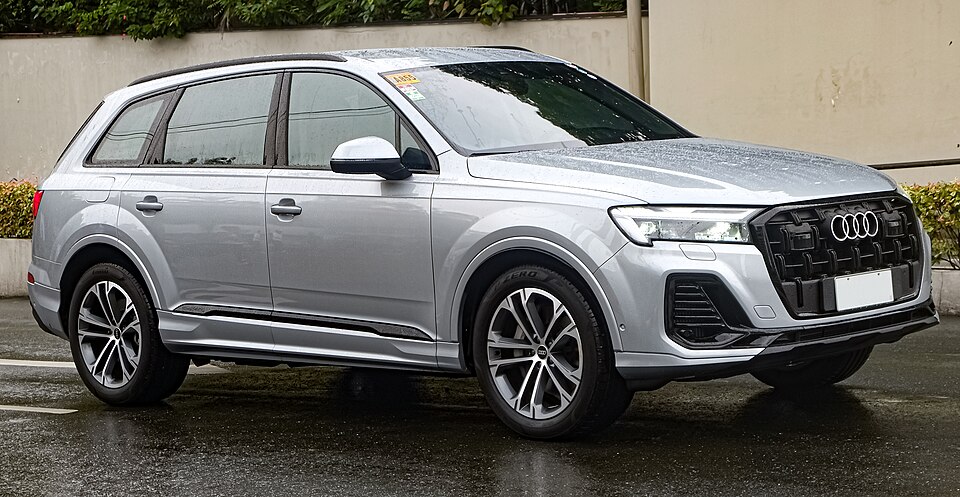
| 2026 Audi Q7 | 22 MPG | Not rated | 1 |
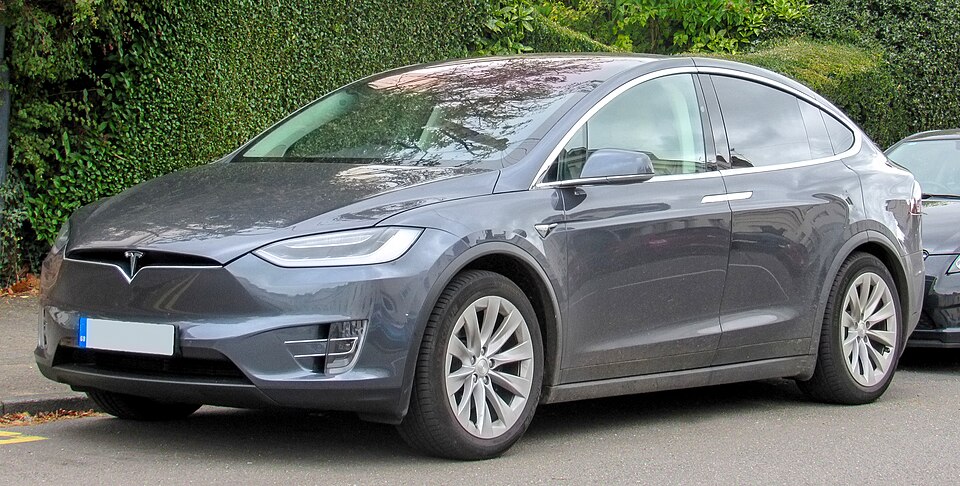
| 2026 Tesla Model X | 352 mi | Not rated | 0 |
| 2026 Lexus LX | 20 MPG | Not rated | 1 |
| 2026 Lincoln Navigator | 17 MPG | Not rated | 2 |
| 2026 BMW X7 | 23 MPG | Not rated | 2 |
Most common owner-reported problems
Sources: EPA, NHTSA, Transport Canada, Wikipedia, Wikimedia Commons. Not affiliated with NHTSA, the EPA or Mercedes-Benz. How we calculate this →